




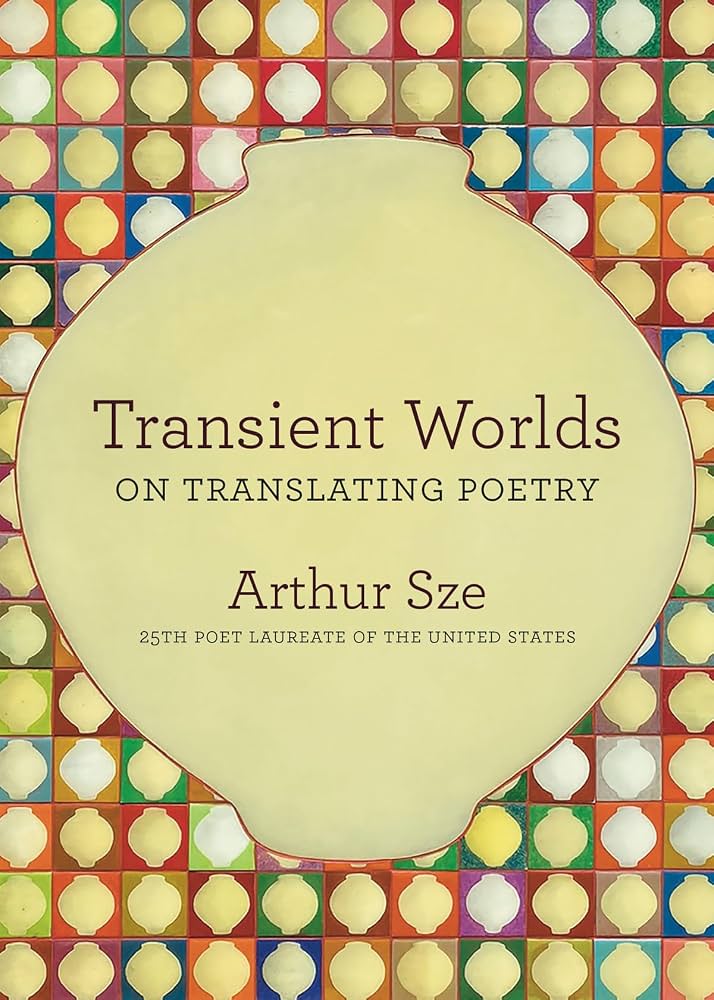
When I read a book I have the habit of highlighting certain passages I find interesting or useful. After I finish the book I’ll type up those passages and put them into a note on my phone. I’ll keep them to comb through every so often so that I remember what that certain book was about. That’s what these are. So if I ever end up lending you a book, these are the sections that I’ve highlighted in that book. Enjoy!
Great poetry ignites and reignites our shred humanity over time, and the transient worlds of poetry in translation play a vital role in bringing us together.
Translation is the deepest form of reading.
A good translation draws on cross-cultural understanding, and the language has to come alive. If a translation sounds like a translation, you have failed in your effort.
The Italian phrase traduttore, traditore (translator, traitor) suggests that a translation is an inferior version of the original, the because it cannot carry all of the original, it is unfaithful to it.
If a translator attempts the impossible task of bringing a poem from one langauge into another without loss, they might well betray the meaning and intention of the original poem; but if the translator recognizes the many possibilities for meaning that this carrying-over affords them, they will embrace the process of transformation and renewal the is translation, and better reflect the original’s network of meaning.
In Song-dynasty landscape paintings, there are often huge mountains and waterfalls, and near the bottom of the scroll is a bridge, and a tiny man headed towardd that bridge. There is a sense of people’s place being very small in the larger scheme of things. In Western poetry, the self is often foregrounded.
Rid yourself of desires in order to observe its secrets; But always allow yourself to have desires in order to observe its manifestations.
There is some debate as to whether a haiku is best translated in three short phrases or in one continual motion. Hiroaki Sato points out that haikus in Japanese are printed in one continuous line and he asserts that haikus translated into English are better rendered as such. It’s worth trying to make them in three lines and then in one line to see what works best.
Nanao chooses to translate Issa’s haiku in three lines, and each line adds to what comes before to make one image. The opening image of the “blooming plum twig” embodies the kigo, the seasonal reference. The second line places a warbler on that twig, and the third line completes a juxtaposition, contrasting the beauty of the blooming plum twig with the muddy feet of the warbler.
Poco a poco se anda lejos = little by little one goes far.
It’s important you care about, better yet, love the poem you translate.
Do a writer’s ideas and beliefs get tranlsated into the action of the poem?
@joekotlan on X